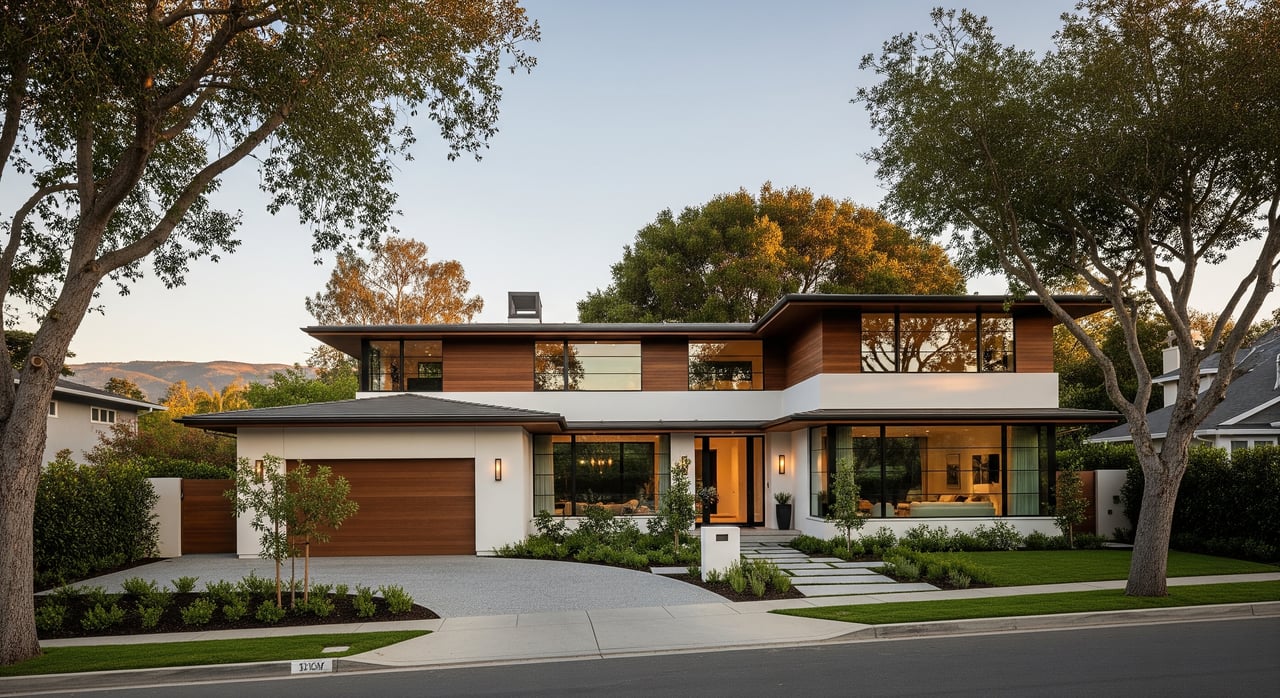
Thinking about an addition, a second story, or even a full rebuild in Palo Alto? The first number you need to understand is floor area ratio, often called FAR. It is one of the main limits that shapes how big you can build, along with lot coverage, setbacks, and height. In this guide, you’ll learn how FAR works, how it interacts with other rules, and how to plan your project with fewer surprises. Let’s dive in.
FAR basics you can use
FAR is a simple idea with big impact. It is the ratio of permitted building area to your lot size. Multiply your lot area by the permitted FAR to get the maximum allowed floor area for your home. That maximum often includes both existing and new space.
You also need to track related zoning controls:
- Lot coverage: The portion of your lot covered by building footprints at ground level.
- Setbacks: The minimum distance from your structure to each property line.
- Height limits: The maximum height your home can reach.
- Measurement rules: What your city counts as “floor area,” including how it treats garages, basements, and porches.
The key takeaway is that FAR sets the total, but setbacks, coverage, and height decide where that area can go.
How FAR, coverage, setbacks, and height interact
Even if FAR suggests you can add more square footage, you still have to fit that space inside the buildable envelope. Side and rear setbacks can block a ground‑level addition. Height limits can restrict second‑story massing. Lot coverage can cap your footprint even when FAR headroom remains.
Put another way, FAR answers “how much,” while the other rules answer “where” and “how tall.” A successful plan respects all four at once.
What typically counts toward FAR
Every city writes its own measurement rules. In Palo Alto, you should confirm what the municipal code includes in floor area and what may be excluded. Items that are often treated differently in many cities include below‑grade basements, attached or detached garages, carports, covered porches, and unconditioned spaces. Your permit submittal will need a floor area worksheet that clearly shows what you are including or excluding.
Two important reminders:
- Always use permitted plans or city records when tallying existing floor area. Assessor figures and marketing brochures can differ from legal floor area.
- Rules change. Palo Alto has updated zoning and housing rules in recent years. Check the current municipal code and speak with Planning staff before you finalize a design.
Common Palo Alto projects and what to expect
Small single‑story addition
For a kitchen bump‑out or primary suite, you will verify FAR, lot coverage, and setbacks. Height is rarely the limiter for single‑story work. Flat additions may still need permits and possibly an administrative review if the exterior changes are visible.
Second‑story addition
Second stories are a common way to add area when setbacks restrict the footprint. You will still need to stay under your FAR and height limits. Many second‑story projects trigger design review to evaluate neighborhood compatibility, massing, and privacy. Plan for stair placement and egress early, since they affect layout and floor area.
Full teardown and rebuild
A new home must meet current zoning, including FAR, setbacks, lot coverage, and height. You may also encounter updated stormwater, green‑building, and permeability standards. If your existing home is larger than today’s limits, parts of it may be legally nonconforming. The city can advise on what you can replace or modify and what you cannot expand.
Adding or converting an ADU
ADU rules are influenced by California state law, and Palo Alto applies local standards within that framework. Some jurisdictions exempt portions of ADUs from FAR, while others count them. Confirm with Planning staff and review the city’s ADU materials so you know how an attached or detached ADU will affect your FAR budget, parking, setbacks, and design.
Special site constraints
Lots with steep slopes, significant trees, or historic overlays face extra requirements. Tree protection is a frequent factor in Palo Alto. Work near protected trees usually needs an arborist report and a plan to avoid root damage. Early due diligence can prevent redesigns.
An illustrative FAR example
The numbers below are an example only to show the process. Your property’s limits depend on your zoning district and the current code.
- Lot size: 6,000 square feet
- Hypothetical FAR: 0.40 (example) → Maximum permitted floor area: 2,400 square feet
- Existing home: 1,900 square feet → Remaining FAR: 500 square feet
On paper, a 400 square foot addition fits. But if the lot coverage limit is 40 percent in this example (2,400 square feet of footprint) and your current footprint is 2,300 square feet, a 400 square foot single‑story bump could exceed coverage even though FAR allows it. A second‑story addition might solve coverage but must meet height, setbacks, and design review.
Your step‑by‑step pathway
- Confirm zoning and standards
- Identify your zoning district on the Palo Alto zoning map and look up FAR, lot coverage, setbacks, and height in the municipal code. Note any overlays or historic status.
- Schedule a Planning intake or pre‑application meeting
- A short meeting with staff helps surface design review triggers, submittal checklists, and potential issues before you hire drawings.
- Engage an architect early
- Ask for quick massing studies that show a code‑compliant envelope, preliminary floor area calculations, and options that navigate coverage, setbacks, and height.
- Prepare a complete submittal
- Include a site plan with setbacks and trees, floor plans, elevations, a floor area worksheet, and any required studies such as an arborist or geotechnical report.
- Planning/design review
- Respond to staff comments and neighborhood feedback if required. Adjust massing, windows, and privacy screens to address compatibility.
- Building permit review
- Structural, energy, mechanical, and electrical reviews follow Planning approval. Plan for correction rounds.
- Construction and inspections
- Build per approved plans, protect trees, and schedule inspections on time.
Documents the city typically expects
- Floor area calculation table showing existing, proposed, and any exclusions.
- Site plan with property lines, setbacks, building footprint, impervious surfaces, and trees.
- Elevations and sections for height verification.
- Landscape and tree protection plan if work is near significant trees.
Timing and cost expectations
- Pre‑application meeting: Usually a few weeks to schedule.
- Planning review: Several weeks to a few months depending on project size and design review cycles.
- Building permit review: Weeks to months based on complexity and corrections.
- Costs: Plan for Planning and Building fees, architect and engineer fees, possible tree mitigation, and construction costs. The city fee schedule and your design team can provide current figures.
Pro tips for smoother approvals in Palo Alto
- Start with permitted square footage, not just assessor data or past listings.
- Treat trees as early constraints, not afterthoughts. Root zones can change where you can build.
- If setbacks block a ground‑level plan, test a two‑story massing within height limits and design guidelines.
- For ADUs, check how the city counts them toward FAR and what parking or setback rules apply.
- Consider a neighbor outreach plan for second‑story work to address privacy and shading concerns.
When to bring in a local advisor
If you are weighing an addition versus a rebuild, or you want to understand how FAR affects resale value in Palo Alto, Menlo Park, or Los Altos, it helps to have both code literacy and market perspective. An advisor who thinks like a CFO can translate the zoning envelope into a budget, schedule, and value impact so you make confident decisions.
If you are considering a project or planning a sale around a remodel, connect with Shabber Jaffer for a clear plan forward. Get a free home valuation and a tailored strategy that factors in FAR, timelines, and market demand.
FAQs
How do I find my property’s FAR limit in Palo Alto?
- Check your zoning district on the city zoning map and then review the municipal code standards for that zone. Planning staff can confirm the applicable FAR and any lot size tiers.
What spaces count toward FAR for Palo Alto permits?
- Review the municipal code’s measurement rules. Some cities exclude parts of basements, garages, or unconditioned porches, but you must confirm locally and show your calculations in a floor area worksheet.
Does adding an ADU use up my FAR allowance?
- It depends on current local and state rules. Some ADU area may be exempt in certain cases, while other portions may count. Confirm with Palo Alto Planning and use the city’s ADU guidance before you design.
Can I gain area by going below grade or into a garage?
- Sometimes. Whether a basement or garage counts toward FAR is defined by local code and building standards. Energy and habitability rules also affect how that space is classified.
What if my existing home is larger than today’s FAR allows?
- Your home may be legally nonconforming. You can often maintain it, but expanding the nonconforming portion is limited. The city can outline your options before you design.
Do second‑story additions in Palo Alto need design review?
- Many do, especially if they are visible from the street or expand massing. Small rear additions may be administratively reviewed. Check thresholds with Planning staff early in the process.