Thinking about calling Cupertino home? You’re not alone. Between world-class tech jobs, strong school reputations, and easy access to the Santa Cruz Mountains, this Silicon Valley city draws professionals and families who want a suburban pace with major career upside. In this guide, you’ll get a clear picture of daily life in Cupertino, from commutes and parks to housing and schools, plus practical tips to make your move smoother. Let’s dive in.
Cupertino at a glance
Cupertino sits in Santa Clara County near the foothills, best known as the home of Apple Park and as part of the broader Silicon Valley employment hub. The community is suburban, professional, and globally diverse. According to the U.S. Census Bureau QuickFacts for Cupertino, residents have high education and income levels relative to national averages, which influences local services, dining, and community programs.
Municipal services are strong, and neighborhoods tend to be quiet with tree‑lined streets and a residential feel. You will find several commercial nodes, a growing Main Street area, and quick access to shopping in nearby cities. For city services, parks, and public programs, start with the City of Cupertino website.
Cost of living and housing reality
Housing costs in Cupertino are among the highest in the country. Single-family homes dominate many neighborhoods, with a mix of townhomes and apartments offering alternative price points. Inventory is often tight, and competition can be strong for updated homes near key commute routes or schools.
Plan for higher monthly costs beyond the mortgage or rent. Property taxes, utilities, childcare, and everyday services trend above national averages. If you are buying, budget for inspections, potential renovations, and ongoing maintenance in older homes. If you are renting, compare lease terms, parking, and HOA amenities across communities.
Neighborhood feel and where to live
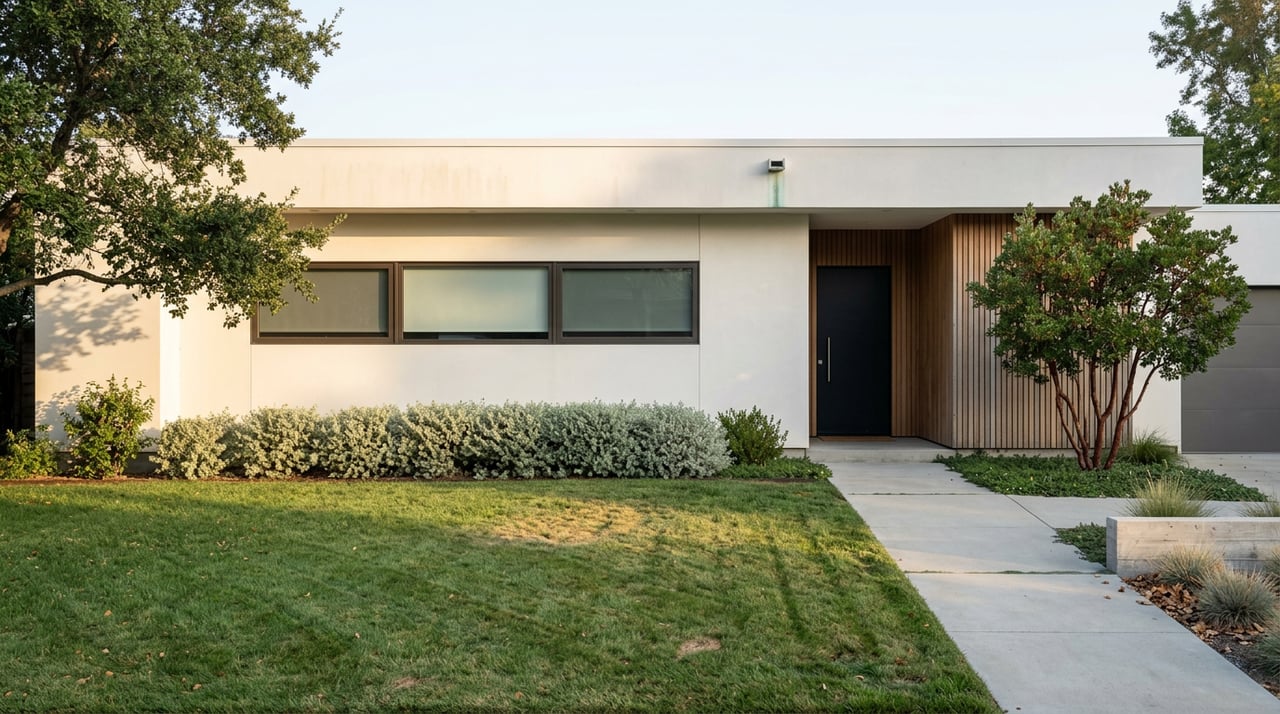
Most Cupertino neighborhoods are residential with mid-century homes, mature trees, and a steady wave of remodels or new construction. Streets near the foothills feel more tucked away, while areas closer to major corridors offer quicker access to freeways and shopping. Downtown-adjacent pockets and the Main Street area provide a more walkable daily rhythm, though overall the city remains car-centric.
As you compare neighborhoods, weigh these trade-offs:
- Proximity to commuter routes like I‑280 and SR‑85 vs. a quieter foothill setting.
- Single-family homes vs. townhomes or condos for affordability and upkeep.
- Walkability to parks, groceries, and coffee vs. larger lot size and privacy.
- Current school boundary alignment vs. future flexibility if boundaries change.
Schools and childcare
Public schools are a major draw for many families. Elementary and middle schools are served by the Cupertino Union School District, while high school students attend the Fremont Union High School District. Local schools frequently receive strong ratings from third-party services. For data and program details, use the California Department of Education data portal, and compare profiles on GreatSchools profiles for Cupertino.
Enrollment policies and attendance boundaries can change. Always confirm your exact address with the district’s boundary maps and check transfer policies, magnet or language programs, and timelines for registration. If you have younger children, start childcare and preschool research early. Demand is high, and waitlists are common for infant and toddler programs.
Commute and getting around
Many residents work in or near Cupertino, which can make daily life convenient. If you commute to other parts of Silicon Valley, you will likely use I‑280, SR‑85, or Stevens Creek Boulevard. Driving is common, and congestion picks up during peak hours.
Transit options exist, though coverage is lighter than in denser cities. The VTA route map and service updates can help you plan local bus connections. For north‑south rail, nearby Caltrain stations and schedules in Sunnyvale, Mountain View, Santa Clara, and San Jose serve many Peninsula and San Francisco commuters. Some large employers operate private shuttles, which reduce car dependence for eligible employees.
Regional transit improvements are ongoing. The Santa Clara Valley BART extension continues in phases. Check VTA for the latest project timelines and how future stations may affect your commute choices.
Practical commute tips:
- Test your route at your actual commute times to see realistic travel windows.
- Consider a park‑and‑ride to Caltrain for San Francisco or Peninsula jobs.
- Ask your employer about shuttle eligibility and stops in Cupertino.
- For cyclists, map elevation and traffic; some routes are hilly or high‑volume.
Parks and weekend outdoors
If you love the outdoors, you will find plenty of options. Local neighborhood parks offer playgrounds, open fields, and community programming. Larger preserves and trail systems nearby make weekend hikes and trail runs an easy habit.
Popular picks include Stevens Creek County Park, Rancho San Antonio, and trails near Stevens Creek Reservoir. Explore trailheads, parking, and picnic areas through Santa Clara County Parks. You can also find seasonal programs, youth sports, and city‑run classes through the City of Cupertino.
Dining, shopping, and culture
Cupertino’s dining scene reflects a globally diverse community. You will find regional Chinese, Korean, Indian, and Japanese restaurants, along with cafes, bakeries, and American staples. Family‑friendly and quick‑casual options are easy to access near business centers and shopping plazas.
Shopping is a mix of boutique and chain retail, with specialty grocers and larger stores in nearby cities. For nightlife and performing arts, many residents head to neighboring hubs like Mountain View, Palo Alto, or San Jose. Within Cupertino, community events, library programs, and cultural celebrations create a steady calendar of family‑oriented activities.
Relocation tips for buyers and renters
Moving to Cupertino goes smoother when you plan the essentials early. Use this quick checklist to stay on track:
- Define your must‑haves vs. nice‑to‑haves for home size, layout, and commute.
- Map school boundaries and confirm enrollment steps with districts.
- Get pre‑approved and compare monthly costs across neighborhoods.
- Tour at different times of day to gauge traffic, noise, and parking.
- Join childcare waitlists as soon as possible if you need infant or toddler care.
- Test drive multiple commute options, including Caltrain and employer shuttles.
- Ask for recent disclosures, permit history, and renovation records on any home.
How Cupertino compares nearby
- Palo Alto: Generally pricier and more urban in select areas, with a strong Stanford‑centric culture and a busier downtown.
- Mountain View: A lively downtown on Castro Street and more transit connections with Caltrain and VTA.
- Sunnyvale and Santa Clara: More varied housing stock and larger blends of corporate campuses and residential neighborhoods.
- Cupertino: Suburban and family‑oriented feel, strong school reputations, and fewer late‑night venues compared with some neighbors.
Work with a local advisor
In a market this competitive, you benefit from a clear plan, strong valuation work, and steady execution. With a finance‑first approach, boutique representation, and Compass marketing resources, you can make confident choices whether you are buying, selling, or investing.
If you are weighing Cupertino against Los Altos, Palo Alto, or Menlo Park, let’s outline your options, identify off‑market opportunities, and build a negotiation strategy that fits your goals. When you are ready, connect with Shabber Jaffer for local guidance, curated listings, and pricing insight. Get a free home valuation.
FAQs
Is Cupertino a good place to live for tech professionals?
- Yes. You are close to major Silicon Valley employers, with short to moderate commutes and access to Caltrain from nearby stations.
How are the public schools in Cupertino?
- Schools are often highly rated by third‑party services. Verify current boundaries and programs with district sites and the California Department of Education.
What are the main commute options from Cupertino?
- Most residents drive using I‑280 or SR‑85. You can also use VTA buses, Caltrain from nearby stations, and employer shuttles where available.
How expensive is housing in Cupertino?
- The market is competitive and costly versus national averages. Expect limited single‑family inventory, with townhomes and condos as alternative entry points.
What is the dining scene like in Cupertino?
- You will find a wide range of global cuisines, especially Asian restaurants and specialty markets, plus family‑friendly casual dining.
Where can I find parks and hiking near Cupertino?
- Start with Santa Clara County Parks for Stevens Creek area trails and explore nearby preserves like Rancho San Antonio for weekend hikes.