Wondering whether a Palo Alto new build is really worth the premium, or if a classic home gives you better long-term value? You are not alone. In a city where much of the housing stock predates modern building standards, the choice often comes down to balancing character, convenience, and future flexibility. This guide will help you compare both options in a practical way so you can make a more confident decision. Let’s dive in.
Why This Choice Matters in Palo Alto
Palo Alto is not a market where brand-new homes are everywhere. According to the city’s Housing Element, the largest share of housing was built between 1940 and 1959, and only 3.8% of the current housing stock was built since 2010. The city also reports that less than 0.5% of developable land is vacant.
That matters because when you see a “new build” in Palo Alto, it is usually not part of a large new subdivision. More often, it is an infill project, a teardown-rebuild, or a major remodel on an existing parcel. That makes the comparison between new and classic homes a little more nuanced here than in many other markets.
What “Classic” Means in Palo Alto
In Palo Alto, classic homes usually refer to older single-family homes and smaller multi-unit buildings that shaped the city before and after World War II. City historic surveys identify styles such as Craftsman, Colonial Revival, Prairie, Mission Revival, Spanish Colonial Revival, Streamline Modern, and Tudor Revival.
Some parts of the city are especially tied to that older architectural identity. The city’s surveys point to historic areas such as Professorville and Ramona Street, while later survey work identifies Green Gables as a mid-century modern Eichler subdivision with a uniform single-story design.
For you as a buyer, a classic home often means distinctive architecture, established streetscapes, and a home that feels connected to Palo Alto’s earlier development patterns. It can also mean older systems, more upkeep, and more questions about what changes may be possible later.
What “New Build” Usually Means
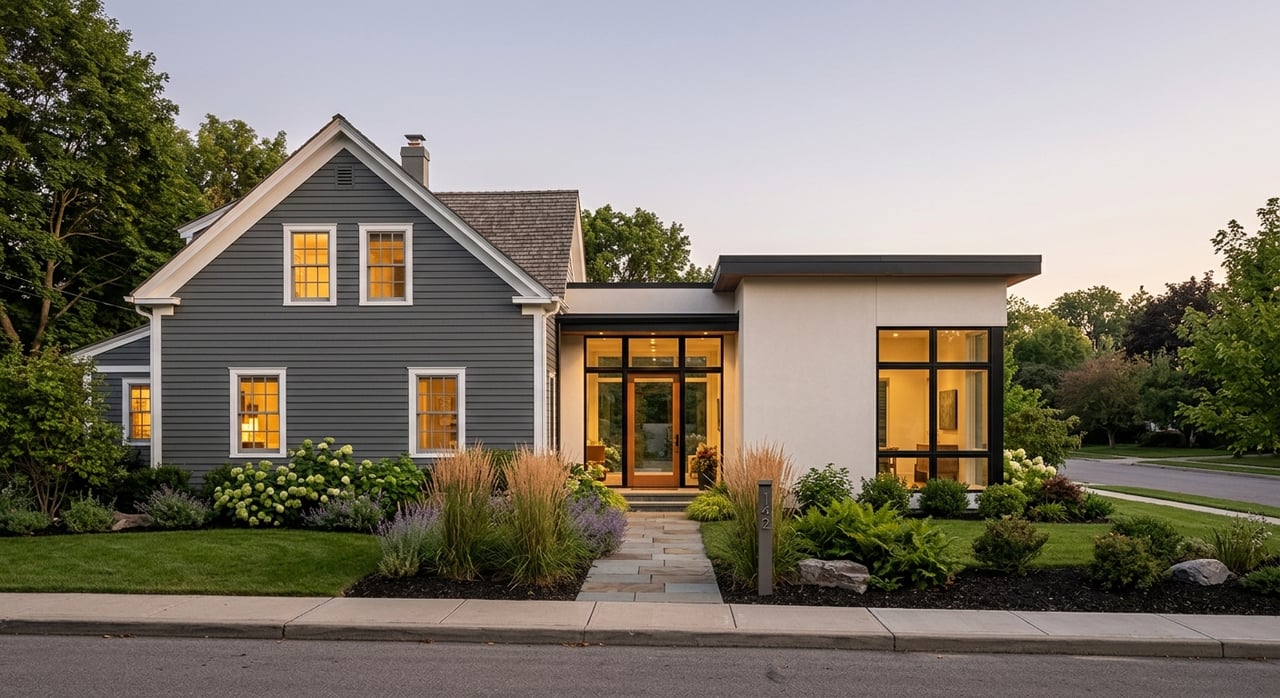
A new build in Palo Alto is usually a recently completed replacement home or a major infill project on an existing lot. Because the city is largely built out, these homes are shaped by current planning and permitting rules rather than large-scale subdivision growth.
That means a new home may offer modern construction and updated systems, but it still exists within the limits of an established parcel. You should not assume a newer house automatically comes with unlimited expansion potential or a simpler lot configuration.
How the Two Home Types Feel Different
Classic Neighborhood Patterns
The city’s Comprehensive Plan describes many older neighborhoods built before the mid-1940s as having a traditional pattern of development. These areas often feature relatively narrow streets, curbside parking, vertical curbs, and street trees between the curb and sidewalk.
Homes in these neighborhoods are generally oriented toward the street, with parking often located at the rear of the lot. For many buyers, that creates a familiar and established neighborhood feel that is hard to replicate.
Postwar Modern and Newer Design Cues
Later neighborhoods influenced by Joseph Eichler and other postwar modernist builders tend to function differently. The city describes them as having curving streets or cul-de-sacs, lower and more restrained street-facing facades, and homes oriented toward private backyards and interior courtyards.
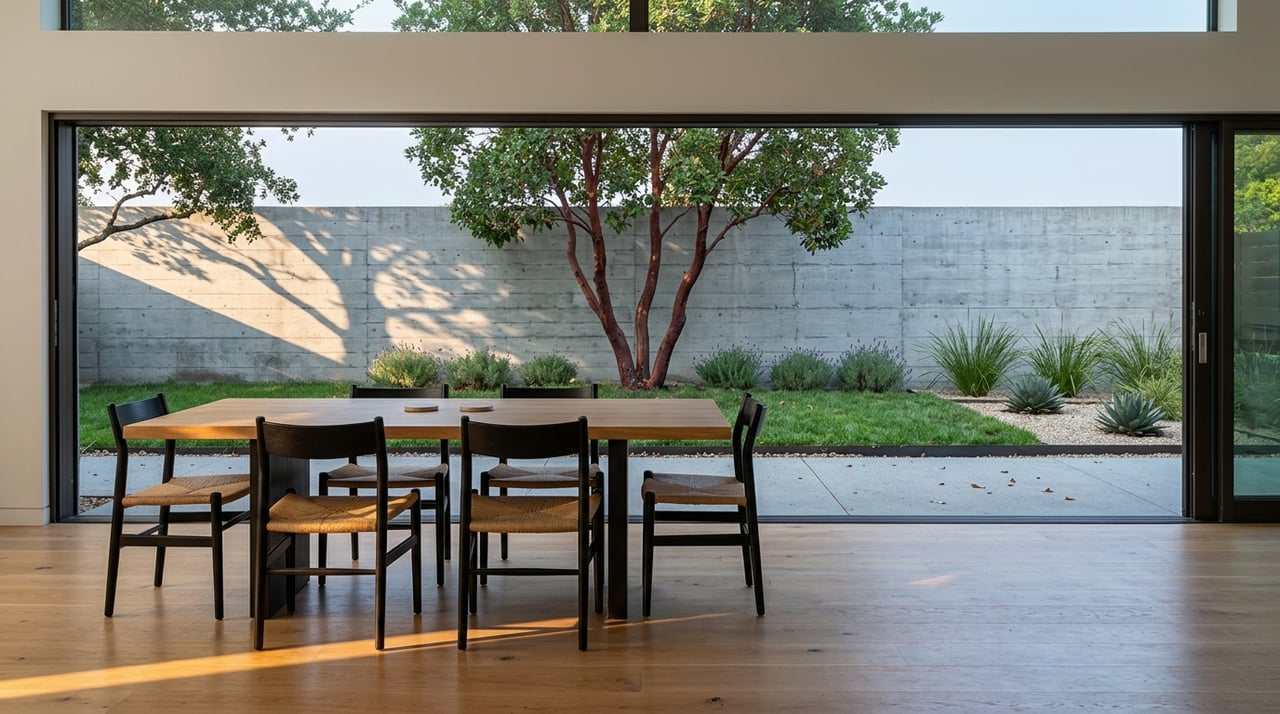
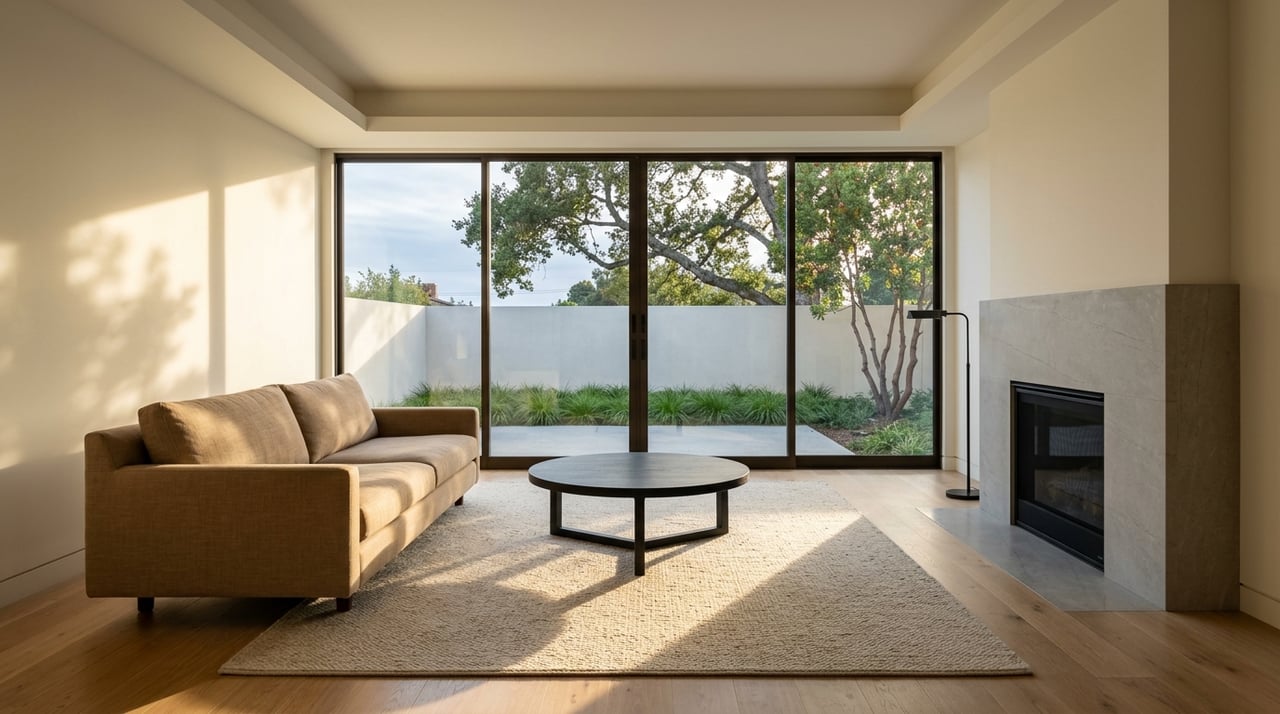
These homes often emphasize indoor-outdoor living with expansive glass walls. So while some buyers think of “classic” as traditional and “new” as contemporary, Palo Alto also includes mid-century modern homes that feel architecturally fresh even though they are not new.
Character Versus Convenience
This is often the real tradeoff. A classic home may give you period architecture, mature landscaping, and a more traditional relationship between the house and lot. A newer home may offer code-compliant systems, updated materials, and less immediate maintenance.
Neither option is automatically better. The right fit depends on whether you value original character more than near-term convenience, or modern performance more than architectural history.
Lot Constraints Matter More Than Many Buyers Expect
One of the biggest mistakes buyers make in Palo Alto is focusing only on the house and not enough on the parcel. The city’s Parcel Report system can identify lot size, zoning, flood zone, parking district, traffic impact district, easements, special setbacks, minimum setbacks, maximum allowable floor area, lot coverage, and height limits.
It can also flag historic status and special property conditions such as flag lots, substandard lots, creek-adjacent parcels, and Housing Inventory Sites. In a market where many homes sit on older, highly regulated lots, that information can be just as important as the floor plan.
Why Buildable Area Can Differ
Palo Alto does not treat every lot as equally buildable. The city’s technical manual explains that required yards are part of the buildable envelope and matter for landscaping and privacy. It also notes that special setbacks can override standard setbacks on certain streets.
The manual further explains that net lot area helps control development potential, and gross and net lot area are not always the same. If a parcel includes right-of-way impacts, flag-lot access, or creek channels, the true development envelope may be smaller than you expect.
Expansion Potential Is Not Automatic
If you are thinking ahead to future additions, Palo Alto has specific review paths to understand early. A second-floor addition of 150 square feet or more, or a new two-story home, must meet the city’s two-story objective design standards or go through Single Family Individual Review.
There is also a Home Improvement Exception pathway if a remodel keeps at least 75% of the existing exterior walls. That can reduce some development regulations, which may be meaningful if you are comparing a classic home with remodel potential against a fully rebuilt property.
Energy Efficiency and Systems Upgrades
Why Newer Homes Have an Edge
Palo Alto’s green-building program is a major factor in the new-build comparison. The city says its rules are intended to reduce energy and water use, lower embodied carbon, reduce fossil-fuel use, and improve indoor air quality and comfort.
The city also states that new energy-reach-code requirements took effect on October 4, 2024, and building permits for new buildings and substantial remodels submitted on or after October 5, 2024 must comply. For buyers who want more current performance standards, that is a meaningful advantage.
What to Check in Older Homes
Older Palo Alto homes are more likely to have electrical-capacity constraints. The city says the majority of older homes built before 2000 have 100-amp electric panels, while a 200-amp panel will be adequate in most cases for modern needs.
The city also flags older Zinsco and GTE-Sylvania panels as fire hazards and recommends replacement. If you are considering future EV charging, a heat pump, or other high-load upgrades, panel size and panel type should be near the top of your checklist.
Maintenance Expectations Over Time
Older homes often come with a different maintenance profile. Census Bureau research notes that upkeep includes routine work such as painting, plumbing, roofing, and minor repairs.
Among owners of older homes, common interior projects included plumbing fixtures, flooring, drywall and ceiling finishes, and water heaters. Common exterior work included window and door replacements and roof replacement. That does not mean every classic home will need major work right away, but it does mean you should budget with realistic expectations.
A Practical Touring Checklist
Classic Home Checklist
When you tour a classic Palo Alto home, it helps to go in with a structured process:
- Pull the Parcel Report and confirm lot size, net lot area, setbacks, easements, historic status, and any special district or traffic impact designation.
- Ask whether the property is listed on, eligible for, or adjacent to a historic district, since many exterior projects may require review.
- Ask your inspector and electrician about panel size, panel age, and whether future electrical upgrades are likely.
- Discuss the likely remodel path early, including whether a Home Improvement Exception, Individual Review, or a more substantial planning process may apply.
New Build Checklist
When you tour a newer home, keep your questions just as detailed:
- Confirm the permits are finaled.
- Verify that the home was built under Palo Alto’s current green-building and energy-reach-code requirements.
- Review the Parcel Report anyway, since setbacks, lot coverage, height limits, easements, tree constraints, and historic factors can still affect future plans.
- If the lot has protected trees or unique site features, ask early whether special review or added constraints may apply.
Which Home Type Fits You Best?
If you love architectural detail, mature streetscapes, and the idea of shaping a home over time, a classic Palo Alto property may be the better fit. You just need to be ready to investigate systems, permitting paths, and likely maintenance more carefully.
If you want updated construction, current code compliance, and fewer immediate projects, a new build may feel simpler day to day. Still, Palo Alto’s lot rules mean you should look beyond the finishes and understand the parcel just as closely.
In my experience, the best decisions in Palo Alto come from treating the home as both a lifestyle choice and a financial asset. When you compare a classic home and a new build through that lens, the right answer usually becomes much clearer.
If you want help evaluating a Palo Alto property with a more analytical eye, from lot constraints to remodel potential to resale positioning, Shabber Jaffer can help you make a smart, well-grounded move.
FAQs
What counts as a new build in Palo Alto?
- In Palo Alto, a new build usually means a replacement home, infill project, or major rebuild on an existing parcel rather than a home in a large brand-new subdivision.
Are most Palo Alto homes older or newer?
- Most Palo Alto homes are older. The city says the largest share of housing was built from 1940 to 1959, and only 3.8% of the current housing stock was built since 2010.
How can you check if a Palo Alto lot has building constraints?
- You can review the city’s Parcel Report for details such as zoning, setbacks, easements, flood zone, lot coverage, height limits, historic status, and other parcel-specific constraints.
Do older Palo Alto homes often need electrical upgrades?
- They can. The city says many older homes built before 2000 have 100-amp panels, and buyers should verify panel size and condition if they plan to add EV charging, heat pumps, or other high-load systems.
Can you easily expand a classic home in Palo Alto?
- Not always. Expansion depends on the parcel’s buildable envelope, setbacks, net lot area, and the city’s review rules for additions, second stories, and remodel pathways.
Are new builds in Palo Alto always easier to live in?
- They may offer more current systems and green-building compliance, but they still sit on regulated lots and may have future limits related to setbacks, easements, trees, or other site conditions.