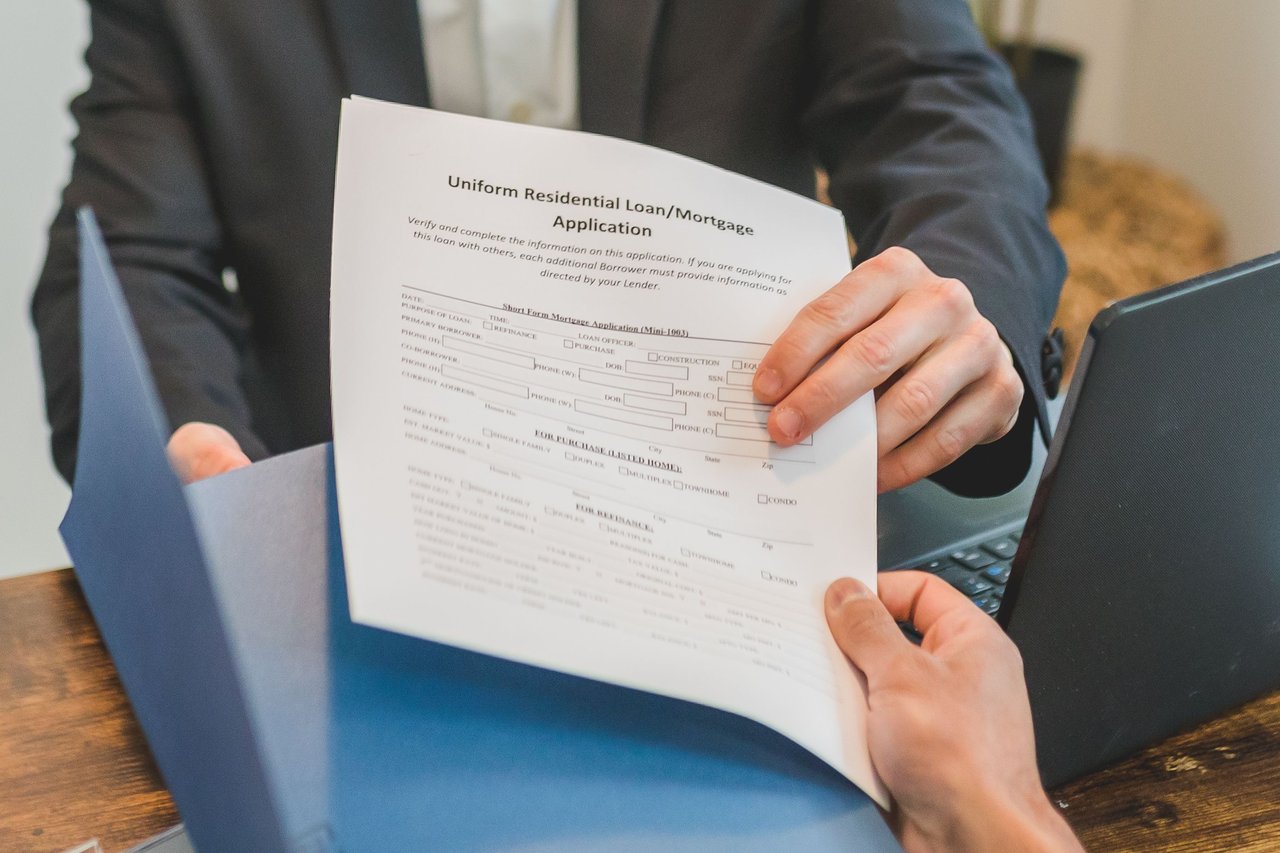
Every client I work with who is not paying cash hears the same thing from me before we look at a single home: get pre-approved first. Not because it is a formality, but because it is the foundation everything else rests on. Here is what you need to know — including who to get that pre-approval from.
Why Pre-Approval Comes First
A pre-approval answers the two questions that actually drive your home search: how much can you borrow, and what will your monthly payment look like at different price points? Many buyers focus on the purchase price without fully thinking through the monthly payment reality. A home at $1.8 million and one at $2.1 million may both technically be within reach — but at current rates, that difference is roughly $1,700 per month. Pre-approval makes the numbers real before you fall in love with something that does not actually work for your budget.
It is also worth shopping more than one lender. The information you need to provide is identical regardless of where you apply, so you do the documentation work once — tax returns, pay stubs, bank statements — and submit the same package to two or three lenders simultaneously. A note on credit: when multiple mortgage lenders pull your credit within a short window (typically 14 to 45 days), the credit bureaus treat those as a single inquiry for scoring purposes. The system is designed to encourage comparison shopping without penalizing you for it.
Pre-qualification (a rough estimate based on self-reported information) and pre-approval (a formal process with verified documentation and a credit pull) are not the same thing. In the Bay Area, sellers expect a pre-approval letter — not a pre-qualification.
What the Bay Area Specifically Requires
When you submit an offer here, the seller and their agent will expect to see either a pre-approval letter (if you are financing) or proof of funds (if you are paying cash). An offer without one of these is unlikely to be taken seriously regardless of the price.
Proof of funds means documentation of liquid assets: recent bank statements (within 30 to 60 days), brokerage account statements showing accessible investment holdings, or a letter from a financial institution confirming balances. What typically does not qualify on its own: retirement accounts with early-withdrawal penalties, equity in another property, or a general net-worth statement. The key word is liquid.
Most pre-approval letters are valid for 60 to 90 days. After that, the lender will want to refresh the letter with an updated credit pull and current documentation.
The Appraisal Gap — A Risk to Understand Before You Bid
In competitive markets, buyers often offer significantly above asking price. But if the property does not appraise at the purchase price, your lender will only fund based on the appraised value.
A practical example: you agree to pay $2.2 million for a home listed at $1.9 million, planning to put 20 percent down. Had the property appraised at $2.2 million, your lender would have funded $1.76 million. But if the appraisal comes in at $2.0 million, the lender will only fund $1.6 million — and your purchase price has not changed. You now need to cover $600,000 out of pocket: your original $440,000 down payment plus an additional $160,000 to bridge the gap. That $160,000 is the real cost of the appraisal gap, and it has to come from cash reserves.
Before you decide how much to offer above asking, confirm with your lender that your reserves can absorb a potential appraisal gap. It is a five-minute conversation that could save your deal.
Loan Broker vs. Direct Lender — Who Should You Work With?
A direct lender (bank, credit union, or mortgage company) lends its own money and processes everything in-house. The advantage is streamlined communication; the limitation is you only have access to their own product lineup. One underrated consideration: if you have a long-established relationship with a bank and maintain significant deposit balances there, many banks offer preferential mortgage rates to those customers — sometimes called relationship pricing. Always worth a conversation before you assume you need to look elsewhere.
A loan broker does not lend their own money. Instead, they shop your loan across a network of lenders to find the best fit for your profile. The advantage is broader access to products and lenders, which matters particularly for borrowers with complex income situations. The potential downside is an extra party in the transaction.
Neither is inherently better. What matters most is the quality of the individual you are working with and their experience in the Bay Area's competitive offer environment.
Questions to Ask Before You Commit
● What is the interest rate, and what points are associated with it?
● What is the APR? (More on this in Post 3.)
● What are the total estimated closing costs?
● How long is your typical timeline from application to clear to close?
● How quickly can you issue an updated pre-approval letter at a different amount?
● How reachable are you on evenings and weekends?
That last question matters more than buyers expect. In the Bay Area, offers go in on short timelines — often over weekends — and a lender who is hard to reach when you need them is a liability.
Questions about your financing options? Reach out at 408.896.2014 or [email protected]. Up next — Post 2: Know Your Options — Your Borrower Profile and the Right Loan