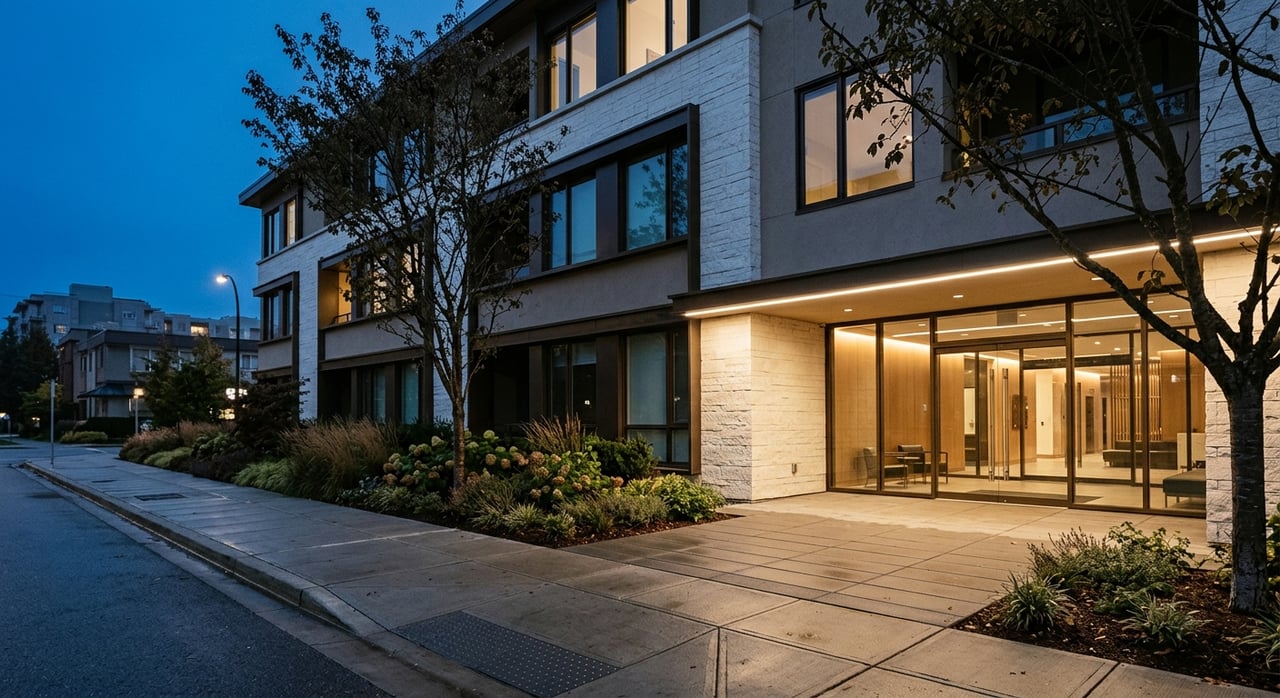
Wondering what daily life near Castro Street in Mountain View really feels like? If you are comparing Silicon Valley neighborhoods, this pocket stands out because it offers a true downtown experience inside a larger suburban city. From walkable blocks and transit access to cafés, events, and a mix of housing nearby, living here can look very different from more car-oriented parts of the Valley. Let’s dive in.
Why Castro Street Feels Different
Castro Street sits in Mountain View’s historic downtown core, which the city describes as a mixed-use, walkable city center between Evelyn Avenue and El Camino Real. The city also points to Downtown as a centerpiece among the amenities that attract residents and workers. In practical terms, that means you are not just choosing a home. You are choosing a more connected day-to-day routine.
There is also real history behind the area’s identity. According to the Mountain View library, the center of town shifted to Castro Street after the railroad was built in 1864. That helps explain why this part of Mountain View still feels like a civic and commercial hub today.
Walkability Near Downtown Mountain View
One of the biggest draws of living near Castro Street is the street-level experience. The 100, 200, and 300 blocks of Castro Street are now pedestrian-mall blocks, and the city continues refining the interim layout, crossings, and wayfinding. That creates a more urban, walk-first feel than a typical suburban retail corridor.
If you enjoy being able to step outside and walk to coffee, dinner, or a public event, this location can be a strong fit. The environment is designed to encourage lingering, strolling, and spending time outdoors rather than simply driving in and out for errands.
That said, downtown convenience does not mean parking disappears from the equation. Mountain View’s Downtown Parking Strategy says the broader downtown area includes 11 public parking facilities and about 1,500 off-street spaces, with parking challenges centered on Castro Street. If you drive often, it is smart to think about how parking access may affect your routine.
Housing Patterns Around Castro Street
The housing mix changes as you move around downtown. City planning documents say density increases closer to Castro Street, where townhomes and apartments are more common, then transitions to lower-density single-family homes farther out. That gives you a range of options depending on how close you want to be to the center of activity.
For some buyers and renters, being close to downtown means easier access to restaurants, transit, and public events. For others, a home a little farther from Castro may offer a quieter setting while still keeping downtown within easy reach. The right fit depends on how you want your mornings, evenings, and weekends to feel.
It also helps to compare Castro Street with nearby corridors. City documents describe El Camino Real as a more vehicle-oriented corridor with strip malls, chain stores, hotels, auto dealerships, and uses separated by parking lots. If you prefer a more walkable and compact environment, Castro Street offers a noticeably different experience.
Food and Coffee at Your Doorstep
Living near Castro Street means you have a strong lineup of food and coffee options nearby. For quick stops and casual meetups, well-known spots include Red Rock Coffee at 201 Castro, Peet’s Coffeebar at 420 Castro, and Paris Baguette at 315 Castro.
If you want sit-down dining, the area covers a range of styles and price points. Nearby options include Eureka! at 191 Castro, La Fontaine at 186 Castro, Rootstock Wine Bar at 331 Castro, Ludwig’s Biergarten at 383 Castro, and Casa Lupe at 459 Castro. This variety helps make the district feel useful throughout the day, not just during one meal window.
Several businesses in the district also highlight patio or outdoor seating. That pairs well with the pedestrian-mall design and adds to the social, linger-friendly feel of downtown. Instead of a place built mainly for quick transactions, Castro Street tends to support a more relaxed public rhythm.
Events That Keep Downtown Active
A great downtown is not only about restaurants. It is also about public life, and Castro Street benefits from recurring civic events that bring people into the area throughout the year.
The Sunday farmers market is held year-round at the Downtown Mountain View Caltrain Station parking lot. The city says it features more than 70 growers and food vendors, with easy Caltrain and light-rail access. For many residents, that kind of weekly event adds real lifestyle value because it becomes part of a regular routine.
Seasonal programming also helps keep the district active after work hours and across different times of year. Music on Castro is scheduled for Wednesdays from April to October 2026 on the 200 block of Castro Street from 5:00 to 6:45 p.m. Concerts on the Plaza are scheduled for Friday nights from June through September 2026 at Civic Center Plaza, 500 Castro Street.
The city’s calendar also includes community gatherings such as the Community Tree Lighting Celebration at Civic Center Plaza on December 7, 2026, and the Earth Day Festival at City Hall Plaza in April 2026. These events reinforce that downtown Mountain View is supported by civic programming, not only dining and retail activity.
Transit and Commuting Convenience
For many Silicon Valley buyers and renters, access matters just as much as atmosphere. The Mountain View Caltrain station at 600 W. Evelyn Ave. adds an important layer of convenience for people living near Castro Street.
The station is wheelchair accessible and includes 23 bike racks, on-demand BikeLink lockers, and 340 parking spaces. It also connects to VTA buses 21, 40, 51, and 52, VTA Orange Line service, and MVgo shuttle routes A through D. If you want flexibility in how you get around, this is a meaningful advantage.
That transit access can be especially appealing if you are trying to reduce car dependence or keep multiple commute options open. In a region where many neighborhoods are still built around driving, living near downtown Mountain View gives you a more multimodal setup.
Access to Major Employers
Mountain View is home to a notable employer base, and that adds to downtown’s appeal. The city’s economic development page lists Google, Intuit, LinkedIn, Microsoft, and Confluent among the city’s major tech companies. It also notes a mix of large corporate employers and small startup companies in Downtown.
For buyers relocating to Silicon Valley, that can make Castro Street especially interesting. You may find that living here supports a more efficient routine with transit, dining, and services close by, while keeping you connected to major employment centers.
What Renters Should Know
If you are considering renting near Castro Street, it is worth knowing that Mountain View’s Rent Stabilization Division administers the CSFRA. The city says this program provides rent stabilization and eviction protections for many qualifying apartment buildings.
However, not every property is covered. The city advises renters to verify coverage by address rather than assume a unit falls under the program. If you are comparing rental options, that is an important step to include in your process.
Who Castro Street Best Fits
Living near Castro Street tends to work best for people who want a car-light routine and enjoy having restaurants, cafés, civic events, and transit close at hand. Compared with more suburban pockets of Silicon Valley, this area generally feels denser, more active, and more centered on everyday convenience.
That does not automatically make it the right fit for everyone. Some buyers may prefer lower-density areas with a quieter, more parking-oriented layout. Others may see the energy of downtown Mountain View as a major lifestyle upgrade.
From a real estate perspective, the key is matching the location to your priorities. If walkability, access, and day-to-day convenience rank high on your list, Castro Street deserves a serious look.
Why Location Strategy Matters
In Silicon Valley, small location differences can shape your daily life in a big way. A home near Castro Street may offer a very different experience from one only a short drive away, especially when it comes to walkability, housing type, transit access, and the pace of the neighborhood.
That is why a thoughtful home search matters. You are not only evaluating square footage or finishes. You are evaluating how a location supports your routine, your commute, and the way you want to live.
If you are weighing homes in Mountain View or comparing downtown living with nearby areas like Los Altos, Palo Alto, or Menlo Park, a local, data-driven strategy can help you make a more confident decision. When you are ready to evaluate neighborhoods, home values, or available opportunities, connect with Shabber Jaffer.
FAQs
What is it like living near Castro Street in Mountain View?
- Living near Castro Street means being close to Mountain View’s walkable downtown core, with pedestrian-focused blocks, dining, cafés, public events, and transit access nearby.
Is Castro Street in Mountain View walkable?
- Yes. The 100, 200, and 300 blocks of Castro Street are pedestrian-mall blocks, giving the area a stronger walk-first feel than many suburban retail corridors.
Are there restaurants and coffee shops near Castro Street?
- Yes. Nearby options include Red Rock Coffee, Peet’s Coffeebar, Paris Baguette, Eureka!, La Fontaine, Rootstock Wine Bar, Ludwig’s Biergarten, and Casa Lupe.
Does downtown Mountain View have public events?
- Yes. The area hosts recurring events such as the year-round Sunday farmers market, Music on Castro, Concerts on the Plaza, the Community Tree Lighting Celebration, and the Earth Day Festival.
How close is transit to Castro Street in Mountain View?
- The Mountain View Caltrain station is at 600 W. Evelyn Ave. and offers Caltrain access, VTA buses, VTA Orange Line service, MVgo shuttles, bike facilities, and parking.
What types of homes are near Castro Street in Mountain View?
- Housing closer to Castro Street tends to include more townhomes and apartments, while areas farther out transition toward lower-density single-family homes.
Should renters near Castro Street check rent stabilization rules?
- Yes. Mountain View’s CSFRA applies to many qualifying apartment buildings, but renters should confirm coverage by address before assuming a unit is covered.